Heavy-Duty Solutions: How Commercial Canopies Support High-Frequency Professional Use
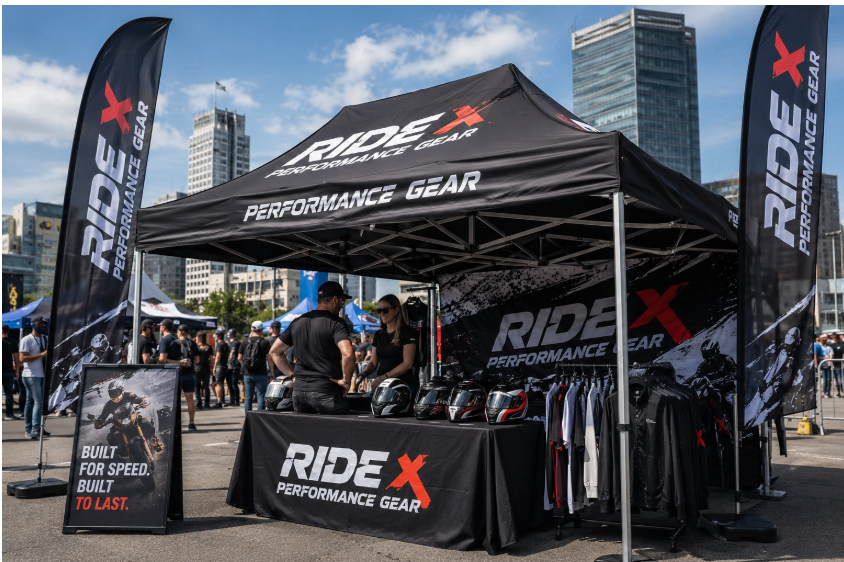
Out there where crowds gather, doing busy work means showing up just as hard inside as you do outside. When things move fast, like at big shows or pop-ups in the open air, what you build speaks before anyone says a word. A shaky frame, a droop here or there? That tiny flaw might look like carelessness to someone passing by. First glances stick, even if they only last a breath. Treating canopies not as throwaway covers but as working tools changes how they hold up under long days and back-to-back stops on the schedule. What stands tall becomes part of the message, especially with professional branded tents engineered for demanding commercial applications.
The Strategic Role of Heavy-Duty Infrastructure in Supporting High-Frequency Commercial Operations
-
Long-Term Asset Value Over Time
Buying tough equipment is more like placing a smart bet on visibility instead of just paying bills. Despite the high initial cost, durable tools endure years of work, distributing the cost over time. Skipping constant swaps needed when gear fails early keeps money free; cash then feeds progress instead of patching holes. Being smart with funds can build a solid foundation for future moves into new areas. Strategic solutions like custom inflatable arches offer innovative alternatives that complement traditional canopy systems for maximum versatility.
-
The Focus on How Long Building Materials Last
Out in the real world, reliable performance starts with sturdy construction that holds up no matter how many times it’s moved. Heavy-duty setups tend to rely on hex-shaped aluminum, not just any metal chosen for balancing toughness without adding bulk. That balance shows why frequent users need something tougher than regular steel; flimsier options crack or bend under pressure when events stack close together. When gear gets tested hard each time out, solid materials make sure nothing wobbles or fails mid-deploy. Built right, the kit stands firm like the work behind it.
-
Building Tougher Against Weather With Engineering
When the weather turns rough, staying open means relying on buildings that hold firm. Strong shelters usually come built to handle heavy winds and deep snow, something we count on to keep workers safe and supplies dry. Because these structures are designed with serious precision, work keeps going even as storms hit outside. Without such solid builds, weaker setups might fail, leading to delays and danger, something off-the-shelf models too often allow.
-
Adapting to Different Event Terrains
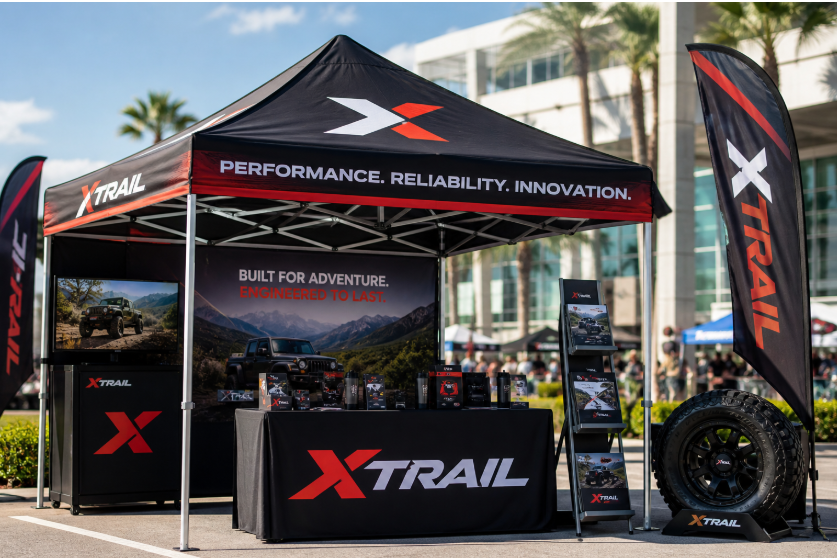
It starts with where we show up on city sidewalks, trimmed lawns, and anywhere people gather. What holds the structure isn’t a center pole or ropes tied off to stakes, just solid framing that stands on its own. That matters when moving crowds need open paths through the space. Without fixed anchors, it lands cleanly on pavement, rooftops, and even indoor floors where driving pegs won’t work. Weighted bases take the role of stakes, holding everything steady while keeping sightlines clear and ground surfaces untouched.
-
Maximizing Open Interior Room
Open spaces work better for how we operate. Without interior walls, the area stretches across the space, leaving plenty of room to showcase products, host gatherings, or set up demos. Moving people through becomes smoother when nothing blocks their path. Clarity in structure means fewer delays and less confusion during busy times. Your staff can guide guests without strain, as pathways are wide and obvious. By keeping the interior open in commercial canopies, you can turn that space into a room to connect, simply because nothing gets in the way.
-
The Strength of a Brand Grows with Consistent Quality
Out there, first impressions stick – how things look really matters when everyone’s fighting for attention. Built tough with thick 600D polyester, these materials laugh off sun damage and water seepage, keeping colors bold through round after round of events. A tight, neat frame does more than stand up straight; it quietly tells people they can rely on us. When the actual build shows care, it hints at how seriously we handle online systems and customer work behind the scenes.
Final Thoughts
Most days, solid overhead shelters handle way more than just sun and rain. They keep things moving when crowds show up, and the weather turns rough. Tough supports combined with sturdy fabrics mean teams spend less time fixing gear. That kind of setup lets companies focus on people rather than on constant repairs. Over months, the unchanging strength above makes an impression: neat, ready, consistent. Out in the real world, where the pace never slows, having a trusty shelter means fewer breakdowns and fewer pauses. It simply stays put, doing its job while business unfolds underneath.